
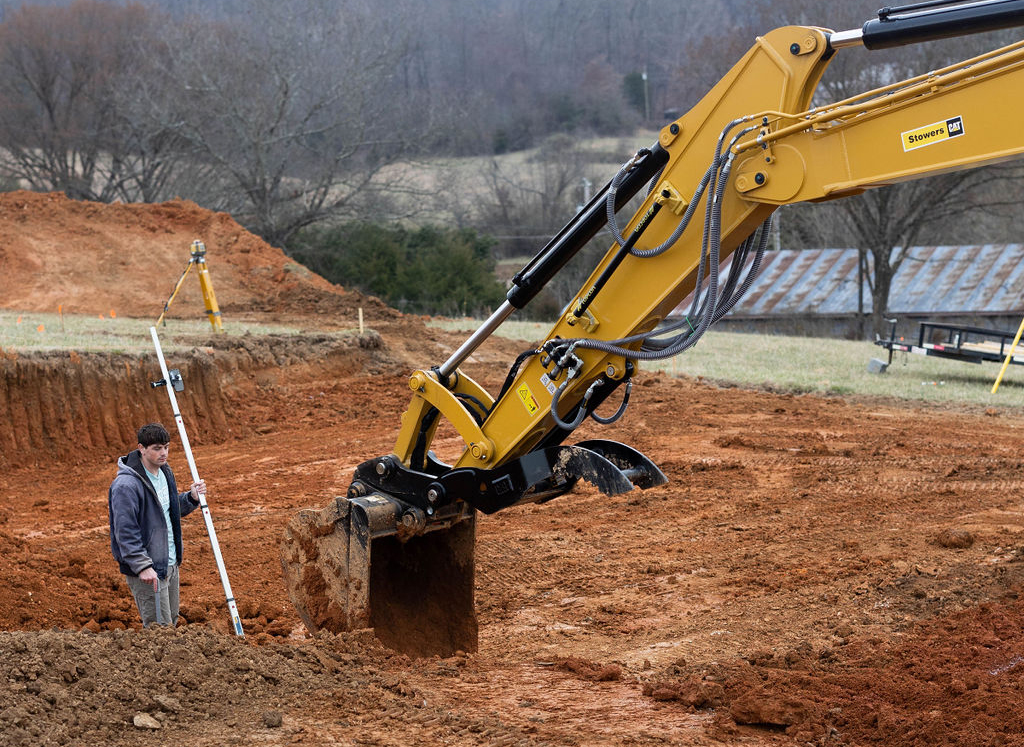
Spring is the prime season for construction projects. Whether you’re building a new home, adding a garage, installing a driveway, or preparing land for commercial development, breaking ground is an exciting milestone. But before the first scoop of dirt is moved, there’s important groundwork to complete.
Proper planning protects your investment, prevents costly delays, and ensures your project starts safely and legally. Here’s a step-by-step checklist to follow before you dig.
Finalize Your Project Plans
Before equipment arrives on site, make sure your plans are complete and clearly documented.
Solid planning upfront reduces change orders and keeps your timeline intact.
Secure the Proper Permits
Permitting requirements vary by city and county, but most projects require approval before excavation begins. Here is a shortcut to the city of Morristown permits:
Based on your project, you need to consider which of the following are applicable:
Starting without proper permits can result in fines, stop-work orders, or forced corrections. A licensed excavation contractor can often help guide you through this process or coordinate with your builder to ensure compliance.
Call Before You Dig
One of the most important safety steps is locating underground utilities. Striking a gas, water, electrical, or fiber line can cause serious injury and major delays.
Before excavation:
Never assume you know where utilities are located, even on private property.
Evaluate Site Access and Conditions
Spring weather can mean soft ground, standing water, and unstable soil. A professional excavation team will evaluate:
Addressing these factors early prevents equipment delays and foundation issues later.
Develop an Erosion and Stormwater Plan
If your project disturbs soil, you may be required to implement erosion control measures.
This could include:
These measures protect nearby properties and waterways and keep your project compliant with local regulations.
Understand the Scope of Excavation Work
Excavation isn’t just digging a hole. It may involve:
Make sure you clearly define the scope of work with your contractor so expectations are aligned from day one.
Partner with a Licensed, Experienced Excavation Team
One of the most important decisions you’ll make is choosing the right excavation contractor.
Look for:
An experienced team doesn’t just move dirt. They anticipate challenges, prevent costly mistakes, and keep your project on schedule.
Newcomb Outdoors designs, builds, and maintains landscaping. Our services include retaining walls, patios, outdoor lighting, excavation, shoreline protection, full landscaping plans, and more. If you are looking to transform your outdoor space or protect your property investment, reach out to us to build a customized plan to meet your needs.


